
Introduction to the Big Beautiful Bill

The Big Beautiful Bill represents a significant legislative initiative aimed at overhauling the existing tax framework in the United States, set to take effect in 2026. This bill is poised to introduce a series of changes that will impact both individual and corporate taxpayers, making it essential for a wide audience to understand its implications. At its core, the Big Beautiful Bill seeks to simplify the taxation process, reduce the burden on middle-class families, and enhance revenue generation for the government through targeted reforms.
As businesses and individuals prepare for these impending changes, grasping the nuances of the Big Beautiful Bill becomes crucial. It encompasses various elements, including adjustments to tax rates, deductions, credits, and overall compliance requirements. The modifications aim not only to foster economic growth but also to ensure that the tax system remains equitable and serves the best interests of the population. One of the aims is to close loopholes that have historically benefited larger corporations while placing a disproportionate tax burden on smaller entities and individual taxpayers.
Understanding these tax changes is particularly significant, as they signify a shift in fiscal policy and have the potential to alter individual financial strategies and business operations. Misunderstandings about the new regulations could lead to financial missteps, making awareness and preparedness critical. This introduction serves to lay the groundwork for a deeper exploration of the specifics of the Big Beautiful Bill. In subsequent sections, we will delve into key components of the bill and their anticipated effects on various demographic groups.
Overview of Tax Changes for Businesses in 2026
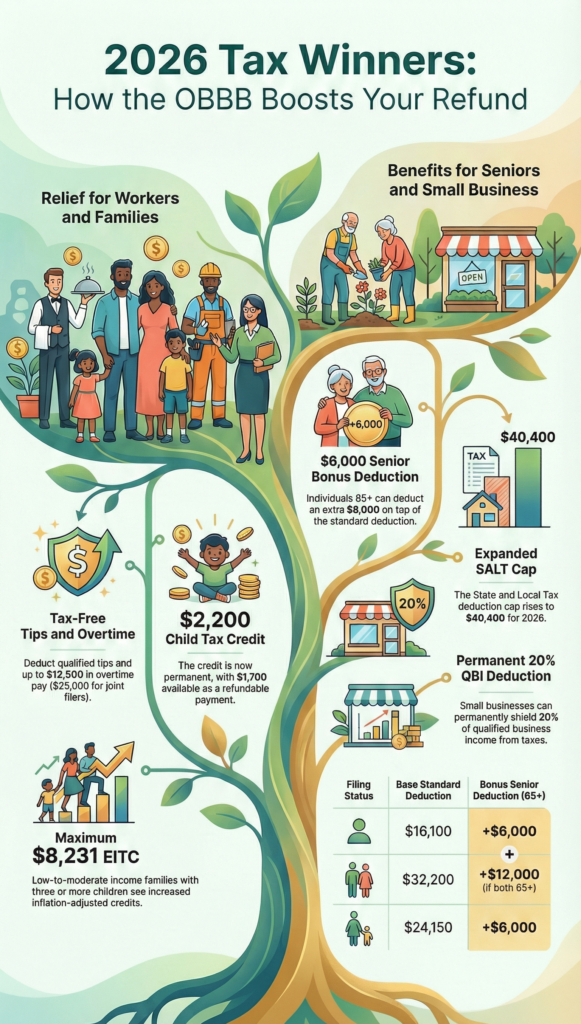
The Big Beautiful Bill brings forth significant alterations to the tax landscape for businesses in 2026, aiming to create a more equitable and efficient tax system. The changes introduced are expected to influence various types of businesses, ranging from small startups to large corporations, and include modifications to tax rates, deductions, and credits.
One of the most notable updates is the revision of corporate tax rates. The standard corporate tax rate will see a decrease from 21% to 18%, providing substantial savings for businesses with taxable income. This reduction is designed to enhance the competitiveness of U.S. corporations in a global marketplace. Additionally, small businesses organized as pass-through entities will experience an increase in the qualified business income deduction, elevating it from 20% to 25%, thus allowing these businesses to retain more income for reinvestment and growth.
Moreover, the new legislation introduces enhanced tax credits aimed at promoting innovation and sustainability. Companies investing in research and development will benefit from an increased R&D tax credit, now set at 30% of qualified expenses. This incentivizes businesses to innovate, ultimately leading to technological advancements and improved economic performance. Similarly, a new green energy credit has been established for businesses transitioning to sustainable energy sources, further encouraging corporate responsibility toward environmental concerns.
While these changes primarily target corporate entities, there are also provisions aimed at stimulating growth within the small business sector. The expansion of the small employer health care tax credit will allow eligible businesses to reduce their health insurance costs, thereby promoting employee well-being and satisfaction.
Overall, the tax changes stemming from the Big Beautiful Bill are poised to reshape the fiscal environment for businesses in 2026. As companies prepare for these adjustments, understanding the implications of these tax reforms will be crucial for both strategic financial planning and operational success.
Overview of Tax Changes for Individuals in 2026

The anticipated tax changes for individuals in 2026 are poised to significantly impact various taxpayers across the United States. One of the most substantial aspects of the changes is the restructured income tax brackets. Under the upcoming legislation, taxpayers will see adjustments in their tax rates, which may either increase or decrease their overall tax liability. These revised brackets are designed to enhance progressivity, meaning higher-income individuals may face an increased tax burden, while lower-income earners may benefit from reduced rates.
In addition to adjustments in income brackets, new deductions and tax credits are set to play a crucial role in influencing individual tax liabilities. Key among these is the enhancement of the standard deduction, which may provide relief for single individuals and families alike. Moreover, the introduction of additional credits targeted at low-income earners aims to alleviate financial strain and encourage economic engagement.
Furthermore, the tax changes consider various demographics, including families, single individuals, retirees, and low-income earners. For families, increased child tax credits are anticipated, aimed at making child-rearing more financially manageable. On the other hand, retirees may see shifts in how their pensions or social security benefits are taxed, potentially affecting their net retirement income. For low-income earners, expanded eligibility for certain credits is projected to provide additional financial support, thereby aiming to reduce poverty rates.
Ultimately, the implications of these tax changes are expected to be wide-ranging, with detailed analysis required to understand how they will affect individual taxpayer situations. Each demographic group will navigate these modifications differently, reflecting the complexity and diversity of the American tax landscape.
Strategies to Maximize Tax Savings

As tax regulations evolve, particularly with the anticipated changes in 2026 encapsulated in the Big Beautiful Bill, both businesses and individuals must adopt proactive strategies to maximize tax savings. This requires a comprehensive understanding of the new deductions and credits available under the revised tax code.
Start by identifying all potential deductions applicable to your situation. For instance, under the new legislation, certain categories of expenses might qualify that weren’t eligible before. This includes expanded deductions for home office expenses for remote workers and increased limits on contributions to retirement plans. Individuals should itemize deductions to ensure all eligible expenses are accounted for, while businesses should consider their operational scale to maximize write-offs.
Furthermore, leveraging tax credits can yield substantial savings. The Big Beautiful Bill is expected to introduce enhanced credits for specific sectors, such as renewable energy, education, and childcare. Evaluating your eligibility for these credits early in the tax year can provide significant savings. Businesses may also explore credits tied to employee retention, which can contribute to reduced tax liabilities.
Proper tax planning plays a crucial role in maximizing savings. Engaging with a tax professional can provide insights tailored to individual and business scenarios, ensuring compliance while optimizing tax positions. Understanding the timing of income recognition is also critical; deferring income to a later year can reduce taxable income in the current year, thus potentially minimizing tax liabilities.
Additionally, consider the implications of investment timing, like capital gains, which are influenced by the new tax rules. Strategic investing coupled with a thoughtful withdrawal strategy can yield tax benefits that enhance overall financial health. By implementing these strategies, taxpayers can better navigate the complexities of the evolving tax landscape and position themselves to achieve maximum savings.
Advantages of the 2026 Tax Changes
The 2026 tax changes introduced by the Big Beautiful Bill encompass a range of advantages that are expected to stimulate the economy and support various sectors. One of the primary benefits is the potential for enhanced economic growth. By adjusting tax rates and introducing new incentives, the Big Beautiful Bill aims to create a more favorable business environment, encouraging entrepreneurs and established companies to invest, expand, and innovate. This revitalization in business activities can lead to an increase in consumer spending, which is a significant driver of economic growth.
Furthermore, the tax changes are anticipated to foster job creation across numerous industries. By reducing corporate tax burdens and providing targeted incentives for hiring, businesses may be more inclined to hire additional staff, thus contributing to a decrease in unemployment rates. This increased employment not only benefits individuals but also stimulates local economies through improved consumer spending power.
In addition to these broad economic benefits, the tax bill places particular emphasis on support for specific sectors, including technology, renewable energy, and small businesses. The introduction of incentives for investment in green technologies reflects a commitment to sustainability, which is becoming increasingly important in today’s economic discourse. By encouraging companies to shift towards environmentally friendly practices, the legislation aims to foster long-term sustainability.
Moreover, the tax code modifications may offer advantageous measures for certain types of income, providing individuals with more substantial tax relief. This could translate into increased disposable income for households, thereby further stimulating economic activity. Overall, the advantages offered by the 2026 tax changes positioned under the Big Beautiful Bill present an optimistic outlook for economic recovery and growth in the coming years.
Disadvantages and Challenges of the 2026 Tax Changes
The anticipated tax changes for 2026, encompassed within the Big Beautiful Bill, present several potential disadvantages and challenges that could impact various segments of the population. One primary concern is the increase in tax burdens for certain groups, particularly those with fixed or lower incomes. The adjustments in tax rates or the introduction of new levies may disproportionately affect these individuals, leading to financial strain and possible declines in their standard of living.
Moreover, businesses may face significant administrative challenges stemming from the new tax regulations. Compliance with the updated tax laws will require extensive adjustments in accounting practices and systems. Small businesses, in particular, may struggle to absorb the costs associated with these compliance measures, potentially diverting resources away from growth-oriented initiatives. Larger corporations might also face complications, as the complexity of the regulations could lead to increased auditing risks and the need for more comprehensive reporting strategies.
Another challenge to consider is the potential for confusion or misinterpretation of the new tax laws. With intricate changes being implemented, both individuals and businesses may find themselves uncertain about how these changes affect them. This lack of clarity can lead to increased stress and anxiety, particularly for those unaccustomed to navigating tax legislation. Tax professionals may become inundated with inquiries, which could further exacerbate delays and complications in submitting accurate tax returns.
In summary, while the 2026 tax changes promise to bring about various reforms aimed at improving the overall tax structure, the disadvantages and challenges must not be overlooked. Increased tax burdens on vulnerable populations, administrative difficulties for businesses, and potential confusion surrounding new regulations will require careful consideration as stakeholders prepare for the upcoming changes.
Who Benefits Most from the 2026 Tax Changes?

The 2026 Tax Changes, encapsulated in the Big Beautiful Bill, aim to restructure the tax landscape significantly. Various groups will experience differing levels of benefits based on their income levels, business types, and demographic factors. Analyzing these variables can provide a clearer picture of who stands to gain the most from these modifications.
Individuals and families in lower to middle-income brackets are projected to benefit from increased tax credits and deductions. For instance, the expansion of the Earned Income Tax Credit is expected to enhance the disposable income of working families, thereby improving their overall economic situation. Additionally, provisions targeting child care and education-related expenses could disproportionately assist households with children, making these changes particularly advantageous for this demographic.
Small businesses are another significant beneficiary of the upcoming tax changes. The restructured tax code will introduce reduced rates for small enterprises, minimizing their tax burden and thereby enabling owners to reinvest in their businesses. Moreover, increased investment tax credits will stimulate growth and encourage innovation within small to medium-sized enterprises (SMEs), allowing them to compete more effectively in the marketplace.
In contrast, high-income earners may not reap the same level of benefits, as the proposed changes include measures aimed at increasing their overall tax liability. Certain tax loopholes will be closed, and deductions that primarily benefit wealthier individuals may be eliminated. Therefore, while many lower-income families and small businesses may find relief, the tax adjustments will likely impose more substantial burdens on the affluent segments of society.
In conclusion, the 2026 Tax Changes under the Big Beautiful Bill appear poised to favor low to middle-income individuals and families, as well as small businesses, while potentially placing a heavier load on high-income earners. As we navigate these changes, understanding the allocation of benefits will be crucial for strategic financial planning.
Who Might Be Disadvantaged by the 2026 Tax Changes?
The impending tax changes scheduled for 2026, often referred to as the Big Beautiful Bill, are projected to significantly alter the tax landscape. While the changes are intended to enhance revenue generation, there are certain groups and individuals who may find themselves at a disadvantage.
One of the primary groups that might face increased tax burdens are high-income earners. With the potential adjustments in tax brackets and the elimination of certain deductions, these individuals could see a substantial uptick in their effective tax rates. This concern is particularly relevant for professionals in sectors such as finance, technology, and healthcare, where earnings can greatly exceed average incomes. Moreover, small business owners who operate as pass-through entities may also face challenges if their tax obligations increase under the new regulations.
Another demographic to consider are families with children. The transition to a streamlined tax credit system may inadvertently reduce the overall benefits available to these households. The significant changes to child tax credits and deductions could lead to a decrease in disposable income, impacting family budgets and the ability to engage in local economies.
Moreover, retirees and older adults may experience a disadvantage as well. With proposed alterations to retirement account tax treatment, those relying on fixed income from pensions or retirement savings might find themselves paying more taxes than before. Additionally, individuals in lower-income brackets may find the proposed removal of certain credits detrimental, leaving them with fewer resources to navigate financial challenges.
Lastly, stakeholders such as non-profit organizations may see ramifications from changes that affect their funding and tax-exempt status. As tax credits and deductions shift, the impact on charitable contributions could lead to declining donations, which could adversely affect social programs reliant on this support.
Conclusion and Forward Outlook
As we have explored throughout this blog post, the tax changes set to take effect in 2026 encompass a range of significant adjustments that will impact individuals and businesses alike. These changes, linked to the Big Beautiful Bill, aim to shape the economic landscape by addressing various fiscal concerns while also seeking to stimulate growth and enhance overall tax fairness. Key provisions include adjustments to tax brackets, increased standard deductions, and alterations in corporate tax rates that will necessitate attention from both taxpayers and tax professionals.
The implications of these tax modifications are profound, as they are designed to encourage investments, foster innovation, and improve the financial health of households across the nation. They also suggest a shift in funding priorities, which could potentially alter the landscape of public services and benefits. Therefore, it is crucial for taxpayers to not only comprehend these changes but also prepare for the adjustments that come with them. Staying informed about the evolving tax regulations will be essential in navigating this new landscape successfully.
Looking ahead, it is advisable for readers to consult with financial professionals who can provide personalized guidance tailored to their unique situations. Tax planning will become increasingly important as the 2026 changes unfold. Engaging with experts will help individuals and businesses optimize their tax strategies and avoid pitfalls that could arise from the new rules. Overall, understanding and adapting to these changes will play a vital role in shaping economic stability and growth in the coming years.