Introduction to Eatonville
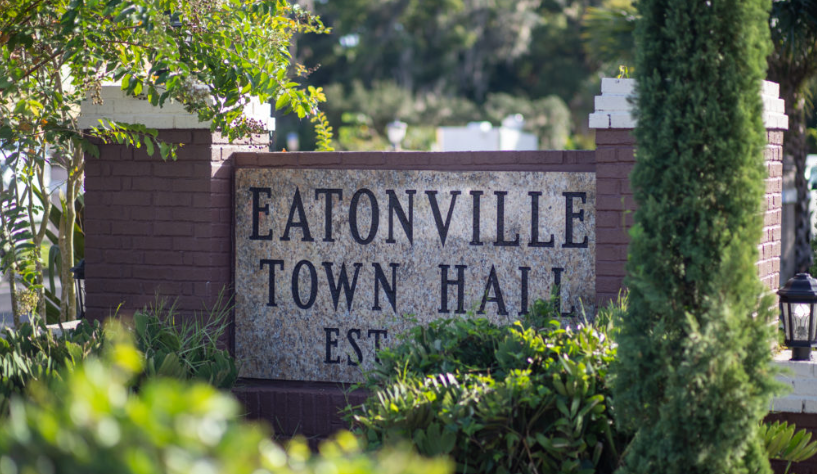
Eatonville, Florida, holds a prominent place in the annals of American history, celebrated as one of the earliest incorporated African American municipalities in the United States. Founded in 1887 by a group of African American men, Eatonville was established as a haven where freedmen could thrive without the constraints imposed by the broader society. This municipal foundation reflects a significant step toward self-governance and empowerment, creating a blueprint for future African American towns across the nation.
Geographically, Eatonville is situated in Orange County, just north of the bustling City of Orlando. This close proximity to a major urban center allowed Eatonville to flourish during the early 20th century, while its natural beauty and serene environment attracted a variety of visitors. The town is characterized by its charming landscapes, lined with oak trees and reminiscent of a close-knit community where neighbors often share a sense of camaraderie and cultural pride.
Eatonville’s significance extends beyond its historical inception; it is a beacon of African American culture. The town has inspired numerous renowned African American artists, writers, and musicians. One of the most notable figures associated with Eatonville is Zora Neale Hurston, a leading literary figure of the Harlem Renaissance. Her works frequently draw inspiration from the experiences and narratives found within Eatonville, showcasing the town’s vibrant culture and rich traditions.
In essence, Eatonville stands not only as a testament to African American resilience and creativity but also as an integral part of the larger narrative of American history. Understanding its significance invites exploration of the cultural heritage that continues to influence communities today.
The Historical Significance of Eatonville
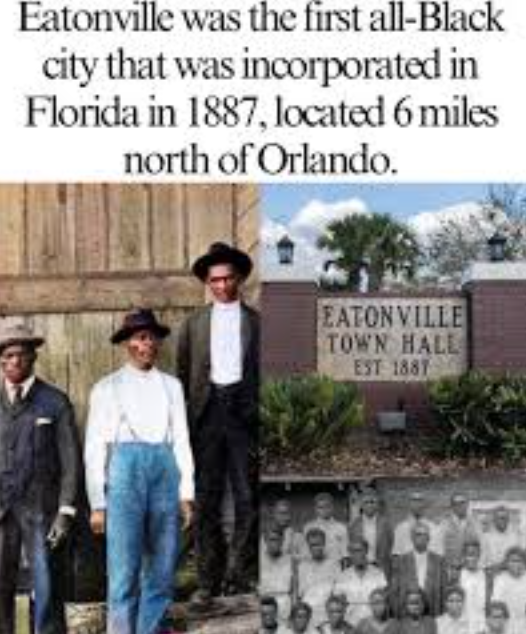
Eatonville, Florida, holds a remarkable place in American history as one of the first all-Black towns incorporated in the United States, established in 1887. Founded during a time of intense racial segregation, Eatonville emerged as a sanctuary for African Americans seeking to create a community of their own. Unlike many other towns of that era, Eatonville was notable for its self-governance, which allowed residents to exercise autonomy and develop their cultural identity free from the oppressive systems prevalent in the South.
A pivotal figure in the history of Eatonville is Zora Neale Hurston, an esteemed author and anthropologist who played a significant role in the town’s cultural narrative. Born in 1891, Hurston’s literary work often reflects the lives and experiences of African Americans, drawing inspiration from the community around her. Her most famous work, “Their Eyes Were Watching God,” incorporates elements of Eatonville’s cultural and social dynamics, showcasing the richness of African American folklore and spirituality. Through her writing, Hurston illustrated not only the challenges faced by her community but also its resilience and vibrancy.
The establishment of Eatonville also provided a platform for a flourishing cultural scene where art, literature, and traditions thrived. The town became a focal point for African American intellectual and artistic expression, contributing significantly to the larger narrative of the Harlem Renaissance. In this context, Eatonville’s significance transcends its geographical location; it symbolizes the struggle for civil rights and the affirmation of Black identity. The legacy of Eatonville continues to inspire contemporary discussions on race, culture, and community, reminding us of the importance of historical foundations in shaping future generations.
Eatonville’s Impact on African American Culture
Eatonville, Florida, stands out as a significant landmark in the tapestry of African American history and culture. Established in 1887, it is one of the first all-Black municipalities in the United States. This unique status allowed for a vibrant community that fostered creativity, intellectual discourse, and activism. Eatonville became a refuge where African Americans could express themselves freely, away from the pervasive racism of the Jim Crow era.
One of the most remarkable contributions of Eatonville to African American culture is its literary legacy. Notably, the renowned author Zora Neale Hurston, who called Eatonville home, captured its essence in her works. Her novels, short stories, and anthropological studies highlighted the lives and struggles of African Americans, showcasing a rich cultural heritage. Hurston’s portrayal of Eatonville not only celebrated the community but also positioned it as a symbol of resistance and resilience.
Furthermore, Eatonville has served as a fertile ground for artistic expression, significantly impacting the Harlem Renaissance. As a cultural hub, it attracted writers, musicians, and artists who drew inspiration from its unique heritage. The community organized events such as festivals that celebrated African American art, dance, and music, allowing for the interplay of traditional African influences and contemporary styles, enriching the broader cultural landscape.
In addition to cultural contributions, Eatonville has played a critical role in civil rights activism. The community has historically encouraged civic engagement and political activism, giving rise to important leaders who advocated for social justice and equity. Through various organizations and initiatives, Eatonville residents have fought against systemic injustices, leaving an indelible mark on the Civil Rights Movement.
Overall, Eatonville’s impact on African American culture is profound. By nurturing a community that values creativity and activism, it has become a beacon of hope and inspiration, driving change and fostering an enduring legacy.
Eatonville Then and Now
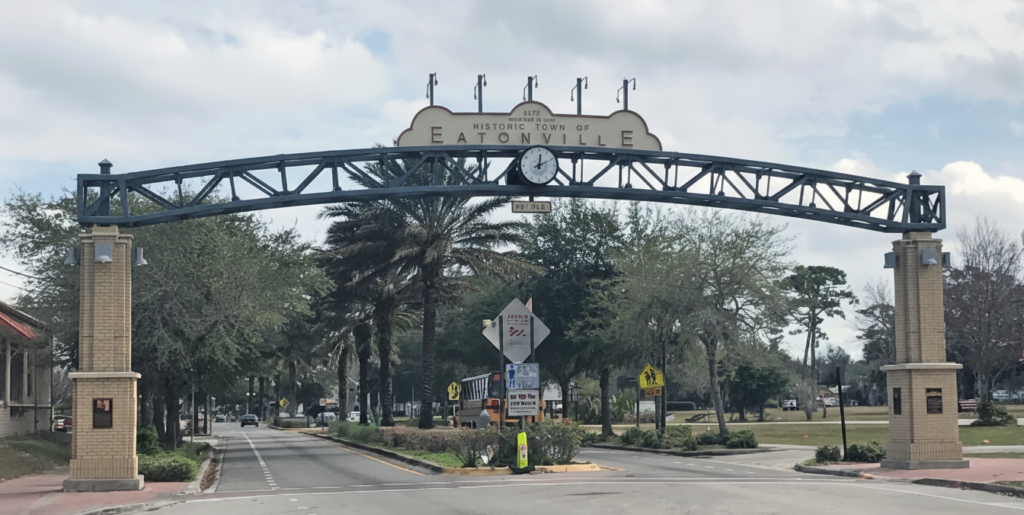
Eatonville, Florida, holds a unique position in the tapestry of American history as one of the first self-governing African American towns incorporated in 1887. Founded by a group of formerly enslaved individuals, Eatonville emerged as a symbol of resilience and community strength. Over the decades, its identity has evolved, shaped by both social and economic factors as well as demographic changes.
In the early days, Eatonville thrived as a close-knit community predominantly engaged in agriculture and domestic labor. The town’s renowned residents, including the prominent writer Zora Neale Hurston, contributed to the narrative of African American culture, creating a rich intellectual and artistic legacy. However, the mid-20th century brought challenges such as migration, as many residents sought economic opportunities elsewhere, leading to a population decline. This shift had profound effects on the town’s socio-economic fabric, altering both its demographics and its communal identity.
Today, Eatonville is experiencing a renaissance characterized by efforts to preserve its historic roots while embracing modern developments. As the population has stabilized and begun to grow again, the community has welcomed new residents and revitalized businesses. There is a conscious effort to promote cultural heritage through events such as the Zora Neale Hurston Festival of the Arts and Humanities, which attracts visitors and fosters a sense of pride among locals. The balance between honoring the past and adapting to contemporary realities signifies the town’s resilience.
Ultimately, the transformation of Eatonville—from its humble origins as a beacon of hope for African Americans to its current status embracing growth and preservation—reflects a broader narrative of change in American society. This historical journey enhances the understanding of how social, economic, and demographic factors intertwine, shaping the identity of communities over time.
Demographics of Eatonville
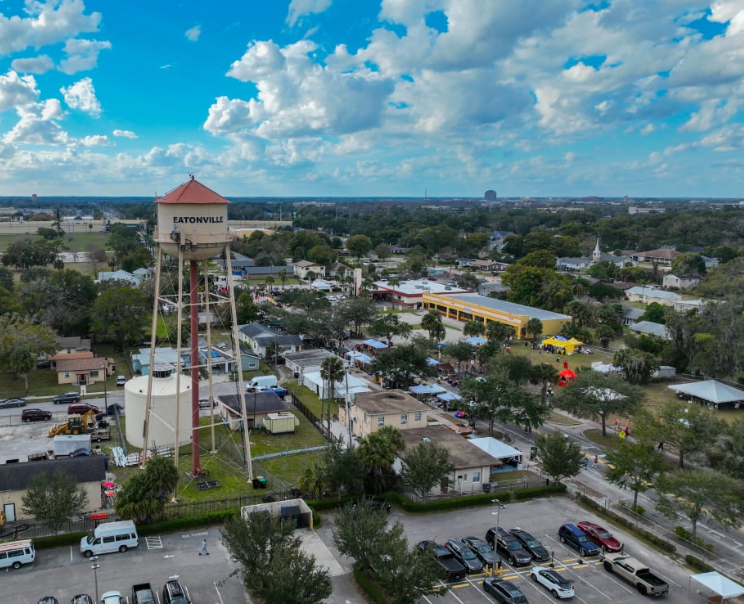
Eatonville, Florida, is a town rich in history and culture, known as one of the nation’s oldest incorporated African American communities. As of the most recent census, the town boasts a population of approximately 2,200 residents. This population size reflects a small yet vibrant community that has maintained its cultural heritage through generations.
In terms of racial composition, Eatonville has a predominantly African American population, which accounts for over 95% of its residents. This demographic makeup is a testament to the town’s historical significance as a refuge for African Americans post-Civil War, allowing for the development of a unique cultural identity. The presence of African American figures, such as the celebrated author Zora Neale Hurston, has further cemented this cultural identity within the fabric of Eatonville.
The age distribution within Eatonville reveals a community with a diverse range of age groups. The median age is around 50 years, indicating a significant population of middle-aged and older adults. However, there is also a notable presence of younger residents, particularly children and teenagers, who are essential for the town’s future. This balanced age profile supports a community focused on family values and continuity of traditions.
Educational attainment in Eatonville mirrors broader national trends, with a portion of the population holding high school diplomas or equivalent qualifications. However, efforts to enhance educational opportunities are ongoing, and initiatives to promote higher education among residents are seeing gradual success. Additionally, local schools play a pivotal role in community development, emphasizing the importance of education for personal and professional growth.
Real Estate and Home Prices in Eatonville

Eatonville, Florida, has maintained its unique character and rich history, which is reflected in its real estate market. The town’s housing landscape showcases a blend of historic homes and modern developments, catering to a diverse range of buyers. As of late 2023, the average home price in Eatonville hovers around $275,000. This figure is subject to change due to various factors, including economic conditions and market demand.
Property values in Eatonville have shown a steady increase over the past few years. According to recent data, home values have appreciated by approximately 5% annually, demonstrating the area’s growth potential. This upward trend is attributed to Eatonville’s appeal as a tranquil community with an impressive cultural heritage, making it an attractive option for families and individuals seeking a peaceful living environment.
Furthermore, the housing market in Eatonville presents various opportunities for potential buyers and investors. The range of properties available spans modest single-family homes to more expansive residences, accommodating different budgets and preferences. Particularly appealing are the properties located near the town center, which not only offer historical significance but are also often within walking distance of local amenities and community events.
Current market trends indicate that homes in Eatonville tend to sell relatively quickly, especially those priced below the average. This swift turnover is indicative of a competitive market, thus highlighting the importance for buyers to act decisively when considering a purchase. Investors may also find opportunities in rental properties, as the demand for housing continues to grow, spurred by the desire for affordable living options close to larger urban centers.
Community Life in Eatonville
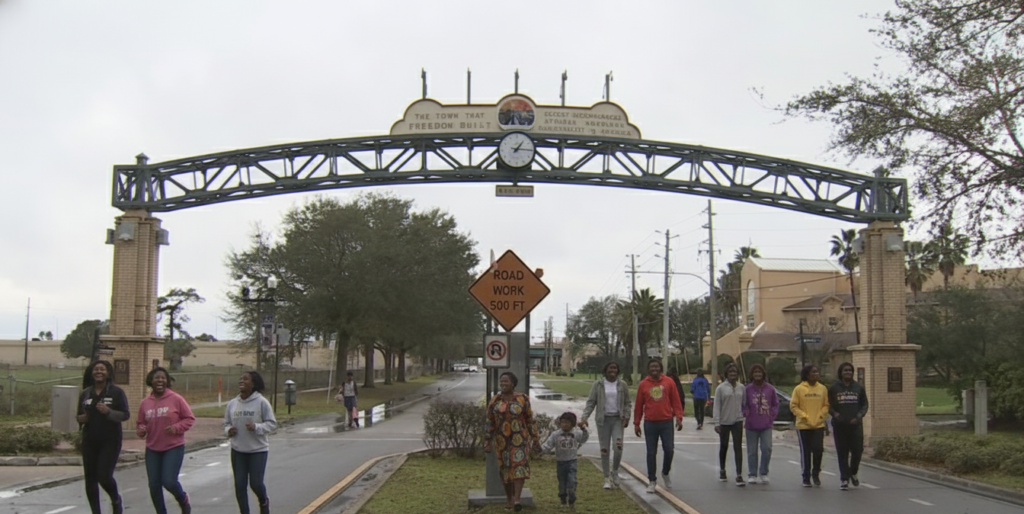
Eatonville, Florida, renowned for its rich cultural heritage, is not just a historical landmark but also a vibrant community that thrives on local engagement and traditions. The residents of Eatonville cherish a strong sense of belonging, often participating in events that foster unity and celebrate their illustrious past. Community gatherings, particularly those centering around the annual Zora Neale Hurston Festival of the Arts and Humanities, serve as an emblem of this engagement. This festival not only showcases the literary contributions of Zora Neale Hurston, a noted Eatonville resident, but also encourages dialogue among community members and visitors, weaving a tapestry of cultural pride.
Additionally, various organizations within Eatonville play a pivotal role in nurturing community bonds. For instance, the Eatonville Community Redevelopment Agency works tirelessly to preserve the town’s history while also addressing contemporary needs. Through programs that promote arts and education, this organization contributes significantly to the local fabric, ensuring that the cultural legacy of Eatonville remains vibrant and relevant. Residents frequently collaborate on initiatives that encapsulate the essence of their heritage, facilitating a continuous exchange of stories and experiences.
Moreover, traditional celebrations, such as Juneteenth, reflect the deep-rooted values of togetherness and remembrance in the community. These events often feature local musicians and artists, providing a platform for creative expression while strengthening familial and neighborly ties. Such occasions are not merely celebrations; they are vital components of Eatonville’s identity, influencing the younger generations to appreciate and uphold their history.
In essence, the communal life in Eatonville is characterized by a rich interplay of tradition, active participation, and a strong commitment to preserving its unique cultural heritage. The collaborative efforts of its residents ensure that Eatonville remains not only a historical site but a thriving community for future generations.
Eatonville’s Legacy and Future Prospects
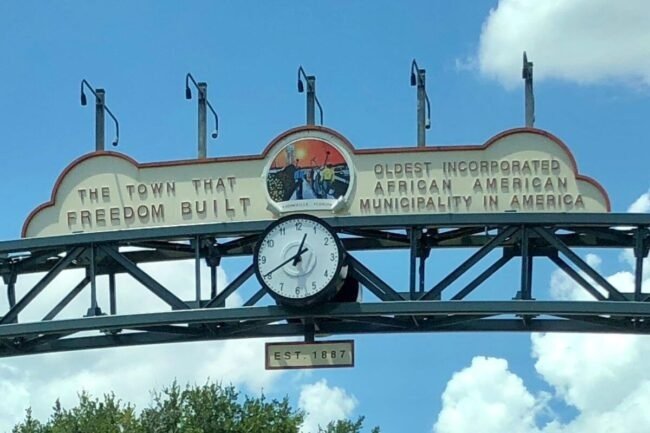
Eatonville, Florida, holds a significant place in American history as one of the first incorporated African American municipalities in the United States. Established by formerly enslaved individuals post-Civil War, the town has retained its heritage, serving as a beacon of African American cultural and historical significance. The legacy of Eatonville is deeply interwoven with the life and works of Zora Neale Hurston, a pivotal figure of the Harlem Renaissance, who brought attention to the town’s rich cultural landscape through her literature. This historical prominence provides Eatonville with a unique identity that not only honors its past but also shapes its future.
However, as with many historic communities, Eatonville faces several challenges. The pressures of economic development, gentrification, and population changes threaten to dilute its cultural heritage. These factors pose a risk to the very essence of the community, potentially compromising the identity that has been carefully preserved over the decades. It is crucial for residents and local leaders to navigate these challenges with a forward-thinking approach that ensures growth without sacrificing cultural integrity.
Opportunities for Eatonville’s future remain abundant if harnessed correctly. By promoting tourism through history and culture, the town can invigorate its economy without compromising its roots. Initiatives such as cultural festivals, historical tours, and collaborative events can attract visitors while simultaneously empowering local artists and entrepreneurs. Community development must prioritize the voices and needs of Eatonville’s residents, ensuring that both the legacy and the forward momentum of the community align harmoniously. Through community engagement and sustainable planning, Eatonville stands poised to honor its past while embracing a vibrant future.
Conclusion
In conclusion, the town of Eatonville, Florida, stands as a significant landmark, rich in African American history and culture. The preservation of its heritage is essential not only for the community but also for the broader narrative of American history. From its founding as one of the first all-Black municipalities in the United States to the influence of prominent figures such as Zora Neale Hurston, Eatonville represents a vibrant tapestry of resilience and creativity that must be celebrated and remembered.
Visitors to Eatonville can experience firsthand the unique historical sites and cultural artifacts that contribute to the town’s identity. Engaging with local initiatives, whether through visiting museums, attending community events, or supporting local projects, is vital in ensuring that Eatonville’s legacy is honored and preserved. Such actions serve not only to enrich one’s understanding of African American history but also help sustain the town’s cultural vibrancy for future generations.
By exploring Eatonville, you become a part of its story, helping to keep alive the ideals of community, empowerment, and cultural richness. We encourage you to take a journey into this charming town, delve into its history, and participate in its ongoing efforts to showcase the importance of its heritage. Together, we can ensure that the stories of Eatonville continue to be told and appreciated, encouraging a deeper understanding of America’s past.